Choosing the right loan can feel overwhelming, especially with the wide range of options available today. Whether you’re planning to buy a home, start a business, pay for education, or manage unexpected expenses, selecting the right type of loan is crucial for your long-term financial health. The wrong decision could lead to unnecessary debt, high interest payments, and financial stress.
In this comprehensive guide, you’ll learn everything you need to know about choosing the right loan for your financial situation—from understanding loan types to evaluating your personal finances and comparing lenders.
1. Understanding What a Loan Really Is
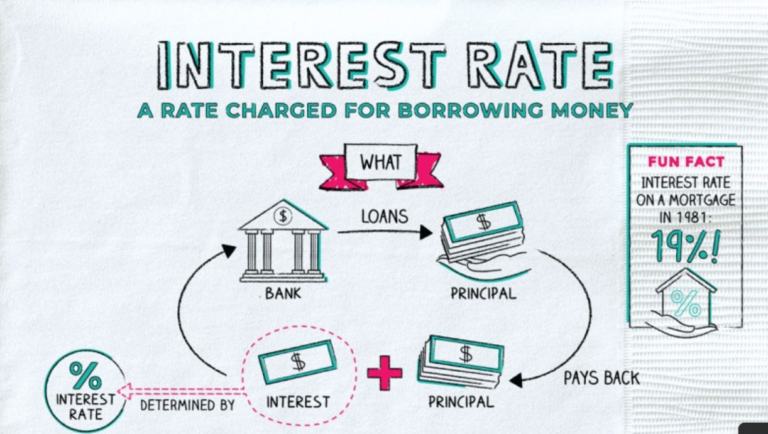
A loan is a financial agreement where a lender provides money to a borrower, who agrees to repay it over time with interest. While this sounds simple, loans come with different structures, conditions, and risks.
There are three key components of any loan:
- Principal: The amount you borrow
- Interest Rate: The cost of borrowing money
- Loan Term: The time you have to repay the loan
Understanding these basics is the foundation of making a smart borrowing decision.
2. Types of Loans Available
Before choosing a loan, you need to understand the different types available. Each loan serves a specific purpose.
a. Personal Loans
These are versatile loans that can be used for almost anything, including emergencies, travel, or debt consolidation. They are usually unsecured, meaning you don’t need collateral.
b. Mortgage Loans
Used to purchase property or real estate. These loans typically have long repayment periods and lower interest rates compared to other types.
c. Auto Loans
Specifically for purchasing vehicles. The car itself usually serves as collateral.
d. Student Loans
Designed to cover education expenses such as tuition, books, and living costs.
e. Business Loans
Used to start or expand a business. These can be secured or unsecured depending on the lender and amount.
f. Payday Loans
Short-term loans with very high interest rates. These should generally be avoided unless absolutely necessary.
3. Assessing Your Financial Situation
Before applying for any loan, you must evaluate your financial health honestly.
a. Calculate Your Income and Expenses
Understand how much money you earn and how much you spend each month. This helps determine how much you can afford to repay.
b. Check Your Credit Score
Your credit score significantly impacts your loan eligibility and interest rate. A higher score usually means better loan terms.
c. Evaluate Existing Debt
If you already have multiple loans or credit card balances, taking on more debt could be risky.
d. Determine Your Loan Purpose
Clearly define why you need the loan. Is it for a necessity or a luxury? This will guide your decision-making.
4. Secured vs. Unsecured Loans
One of the most important decisions is choosing between secured and unsecured loans.
Secured Loans
- Require collateral (house, car, etc.)
- Lower interest rates
- Higher borrowing limits
- Risk of losing assets if you default
Unsecured Loans
- No collateral required
- Higher interest rates
- Lower borrowing limits
- Less risk to personal assets
Choose based on your risk tolerance and financial stability.
5. Fixed vs. Variable Interest Rates
Fixed Interest Rates
- Remain constant throughout the loan term
- Predictable monthly payments
- Ideal for long-term planning
Variable Interest Rates
- Can fluctuate based on market conditions
- Lower initial rates but higher risk
- Suitable for short-term loans or stable economies
6. How Much Should You Borrow?
Borrowing too much can lead to financial stress, while borrowing too little might not meet your needs.
A general rule:
- Your total monthly debt payments should not exceed 30–40% of your income
Always borrow only what you truly need and can comfortably repay.
7. Comparing Loan Offers
Never accept the first loan offer you receive. Compare multiple lenders based on:
- Interest rates
- Fees and charges
- Repayment flexibility
- Customer service reputation
- Loan approval time
Use online comparison tools to simplify this process.
8. Understanding Hidden Fees
Loans often come with additional costs that borrowers overlook.
Common fees include:
- Origination fees
- Late payment fees
- Prepayment penalties
- Processing fees
Always read the fine print before signing any agreement.
9. Loan Term: Short vs. Long
Short-Term Loans
- Higher monthly payments
- Lower total interest
- Faster debt repayment
Long-Term Loans
- Lower monthly payments
- Higher total interest
- Longer financial commitment
Choose based on your cash flow and long-term goals.
10. Importance of Pre-Approval
Getting pre-approved for a loan gives you:
- A clear budget range
- Better negotiation power
- Faster final approval
It also helps identify potential issues early.
11. When to Avoid Taking a Loan
Sometimes, the best loan is no loan at all.
Avoid borrowing if:
- You don’t have a stable income
- The loan is for non-essential spending
- Interest rates are excessively high
- You’re already struggling with debt
12. Tips to Improve Loan Approval Chances
To increase your chances of approval:
- Maintain a good credit score
- Pay bills on time
- Reduce existing debt
- Provide accurate documentation
- Avoid multiple loan applications at once
13. The Role of Credit Score
Your credit score affects:
- Loan approval
- Interest rates
- Loan amount
Scores typically range from 300 to 850:
- 700+ = Good
- 750+ = Excellent
Improving your score can save you thousands in interest.
14. Online vs. Traditional Lenders
Online Lenders
- Faster approval
- Convenient process
- Competitive rates
Traditional Banks
- More reliable
- Better for large loans
- Strong customer support
Choose based on your comfort level and urgency.
15. Debt Consolidation Loans
If you have multiple debts, a consolidation loan can:
- Combine all debts into one payment
- Lower your interest rate
- Simplify finances
However, it only works if you avoid accumulating new debt.
16. Emergency Loans: What to Know
Emergency loans can help during unexpected situations, but:
- They often have higher interest rates
- Should be used only as a last resort
Building an emergency fund is always a better long-term strategy.
17. Red Flags to Watch Out For
Be cautious of:
- Lenders asking for upfront fees
- Unrealistically low interest rates
- Lack of transparency
- Pressure to sign quickly
Always verify the lender’s legitimacy.
18. How to Read Loan Agreements
Before signing, carefully review:
- Interest rate details
- Repayment schedule
- Penalties and fees
- Terms and conditions
If something is unclear, ask questions.
19. Planning Your Repayment Strategy
A solid repayment plan ensures you stay on track.
Tips include:
- Set up automatic payments
- Pay more than the minimum when possible
- Track your progress regularly
20. Final Thoughts
Choosing the right loan is not just about getting approved—it’s about making a decision that aligns with your financial goals and long-term stability.
Take your time, do thorough research, and never rush into borrowing. A well-chosen loan can be a powerful financial tool, while a poorly chosen one can lead to years of stress.
Conclusion
Finding the right loan for your financial situation requires careful planning, research, and self-awareness. By understanding different loan types, evaluating your finances, comparing options, and reading the fine print, you can make a confident and informed decision.
Remember: the best loan is one that supports your goals without compromising your financial future.