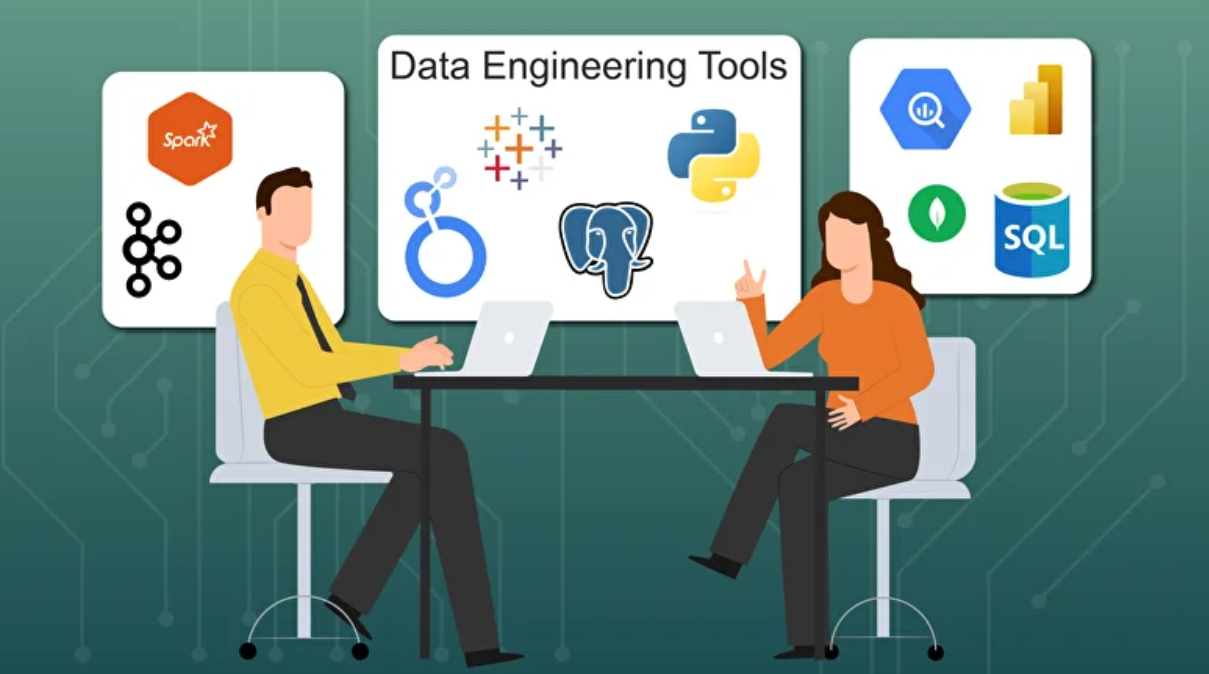
Data engineering has become one of the most in-demand fields in the modern digital landscape. As organizations increasingly rely on data to drive decisions, the need for efficient tools and technologies to collect, process, store, and analyze data has grown significantly. For beginners entering this field, choosing the right tools can feel overwhelming due to the vast number of options available.
This comprehensive guide explores the best data engineering tools and technologies for beginners. It is designed to help you understand the purpose of each tool, how they fit into the data ecosystem, and why they are essential for building a strong foundation in data engineering.
What is Data Engineering?
Data engineering involves designing, building, and maintaining systems that collect, store, and process large volumes of data. Data engineers create pipelines that transform raw data into usable formats for data analysts and data scientists.
Key responsibilities include:
- Data ingestion from multiple sources
- Data transformation and cleaning
- Data storage and management
- Workflow automation
- Ensuring data quality and reliability
Understanding these responsibilities will help you better appreciate the tools discussed in this article.
Why Beginners Need the Right Tools
For beginners, learning data engineering tools is not just about technical skills but also about understanding workflows and best practices. The right tools can:
- Simplify complex processes
- Improve productivity
- Enhance learning efficiency
- Provide real-world experience
Starting with beginner-friendly tools ensures a smoother transition into advanced technologies later.
Categories of Data Engineering Tools
Before diving into specific tools, it’s important to understand the main categories:
- Data Storage Tools
- Data Processing Frameworks
- Data Integration Tools
- Workflow Orchestration Tools
- Cloud Platforms
- Programming Languages
Each category plays a crucial role in the data engineering lifecycle.
1. Programming Languages for Data Engineering
Python
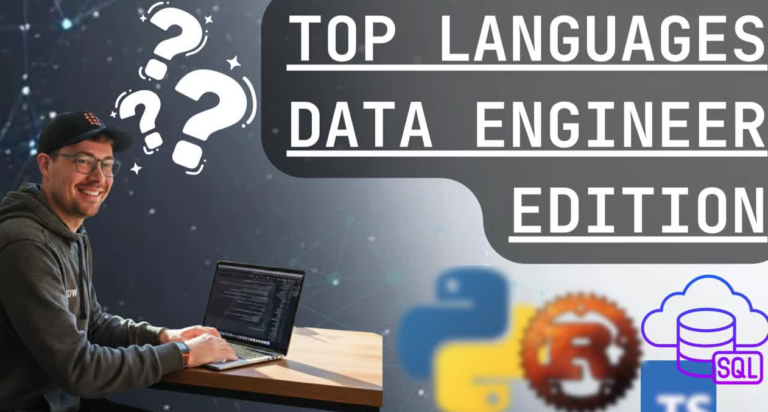
Python is the most popular programming language for beginners in data engineering. Its simplicity and readability make it ideal for those new to coding.
Benefits:
- Easy to learn syntax
- Large community support
- Extensive libraries (Pandas, NumPy, PySpark)
SQL
Structured Query Language (SQL) is essential for working with databases. Every data engineer must master SQL.
Key uses:
- Querying data
- Managing databases
- Performing transformations
Java and Scala
These languages are often used in big data frameworks like Apache Spark. While not mandatory for beginners, learning the basics can be beneficial.
2. Data Storage Technologies
Relational Databases
Examples include MySQL and PostgreSQL. These are ideal for structured data.
Features:
- Strong consistency
- Structured schema
- Easy querying using SQL
NoSQL Databases
Examples include MongoDB and Cassandra.
Advantages:
- Flexible schema
- Scalable
- Suitable for unstructured data
Data Warehouses
Data warehouses like Snowflake and BigQuery are used for analytics.
Benefits:
- Optimized for querying large datasets
- High performance
- Scalable storage
3. Data Processing Frameworks
Apache Spark
Apache Spark is one of the most powerful tools for large-scale data processing.
Key features:
- Fast in-memory processing
- Supports batch and streaming
- Works with multiple languages
Hadoop
Hadoop is a framework that allows distributed storage and processing of big data.
Components:
- HDFS (storage)
- MapReduce (processing)
Apache Flink
Flink is used for real-time data processing and streaming applications.
4. Data Integration and ETL Tools
Apache Airflow
Airflow is widely used for scheduling and managing workflows.
Benefits:
- Easy pipeline management
- Scalable
- Strong community support
Talend
Talend provides tools for data integration and ETL processes.
Features:
- User-friendly interface
- Pre-built connectors
- Data quality tools
Informatica
A powerful enterprise ETL tool, though slightly advanced for beginners.
5. Workflow Orchestration Tools
Workflow orchestration tools help automate and manage data pipelines.
Prefect
Prefect is a modern alternative to Airflow with simpler configuration.
Luigi
Developed by Spotify, Luigi is used to build complex pipelines.
6. Cloud Platforms for Data Engineering
Amazon Web Services (AWS)
AWS offers a wide range of data engineering services such as:
- S3 for storage
- Redshift for data warehousing
- Glue for ETL
Google Cloud Platform (GCP)
GCP tools include:
- BigQuery
- Dataflow
- Pub/Sub
Microsoft Azure
Azure provides:
- Azure Data Factory
- Azure Synapse Analytics
Cloud platforms are essential for scalability and real-world applications.
7. Data Pipeline Tools
Kafka
Apache Kafka is used for real-time data streaming.
Use cases:
- Event-driven systems
- Real-time analytics
RabbitMQ
A messaging broker used for communication between systems.
8. Version Control and Collaboration Tools
Git
Git is essential for managing code and collaboration.
GitHub
GitHub allows developers to share and collaborate on projects.
9. Containerization and Deployment Tools
Docker
Docker helps package applications into containers.
Kubernetes
Kubernetes manages containerized applications at scale.
How to Choose the Right Tools as a Beginner
Choosing the right tools depends on your goals and learning path.
Tips:
- Start with Python and SQL
- Learn one cloud platform
- Focus on fundamentals first
- Practice with real projects
Learning Roadmap for Beginners
- Learn Python basics
- Master SQL queries
- Understand databases
- Explore ETL concepts
- Try Apache Spark
- Learn a cloud platform
- Build projects
Common Mistakes to Avoid
- Learning too many tools at once
- Ignoring fundamentals
- Not practicing enough
- Skipping real-world projects
Future Trends in Data Engineering
- Real-time data processing
- AI-driven data pipelines
- Data mesh architecture
- Increased use of cloud-native tools
Conclusion
Data engineering is a rewarding career with immense growth opportunities. By starting with the right tools and technologies, beginners can build a strong foundation and gradually advance to more complex systems.
Focus on mastering core concepts, practice consistently, and stay updated with industry trends. With dedication and the right approach, you can become a successful data engineer.
FAQs
What is the best tool for beginners in data engineering?
Python and SQL are the best starting points due to their simplicity and wide usage.
Do I need to learn cloud platforms?
Yes, cloud platforms are essential for modern data engineering roles.
How long does it take to learn data engineering?
It depends on your pace, but with consistent practice, you can gain basic proficiency in 3-6 months.