In the era of big data, companies are collecting more information than ever before. However, raw data alone holds little value unless it is processed, organized, and made accessible. This is where data engineers step in. They are the architects behind the systems that power data-driven decisions.
As businesses increasingly rely on analytics, artificial intelligence, and real-time insights, the demand for skilled data engineers continues to grow rapidly. Whether you’re an aspiring data engineer or a business owner looking to build a strong data team, understanding the essential skills required in this field is crucial.
In this comprehensive guide, we’ll explore the 15 essential data engineering skills you need to succeed, along with practical insights on how to develop them.
1. Strong Programming Skills
Programming is the foundation of data engineering. Data engineers write code to build pipelines, process data, and automate workflows.
Key Languages to Learn:
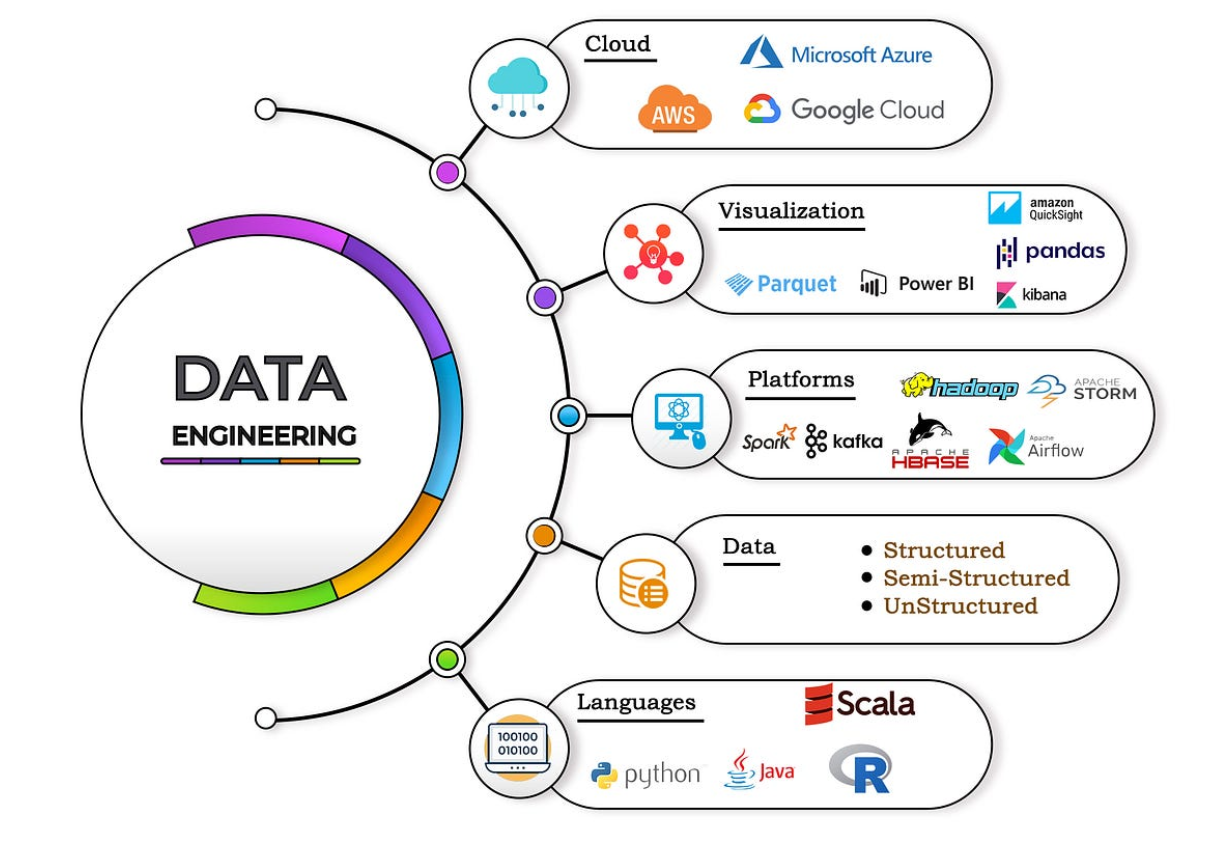
- Python (most popular for data workflows)
- Java (used in enterprise systems)
- Scala (commonly used with big data tools)
Python is particularly valuable due to its simplicity and powerful libraries like Pandas and PySpark.
2. SQL and Database Management
Structured Query Language (SQL) is a must-have skill for any data engineer. It is used to query, manipulate, and manage data stored in relational databases.
Core Concepts:
- Joins and aggregations
- Indexing
- Query optimization
- Transactions
Understanding database systems like MySQL, PostgreSQL, and SQL Server is essential.
3. Data Warehousing
Data warehousing involves storing large volumes of structured data for analysis and reporting.
Popular Data Warehouses:
- Amazon Redshift
- Google BigQuery
- Snowflake
Data engineers design schemas and optimize storage for efficient querying.
4. ETL and ELT Processes
ETL (Extract, Transform, Load) and ELT (Extract, Load, Transform) are core concepts in data engineering.
Responsibilities Include:
- Extracting data from multiple sources
- Transforming it into usable formats
- Loading it into storage systems
Mastering ETL tools is critical for building efficient pipelines.
5. Big Data Technologies
Handling massive datasets requires specialized tools.
Key Technologies:
- Apache Hadoop
- Apache Spark
These tools allow distributed data processing across clusters, making it possible to process large-scale data efficiently.
6. Cloud Computing
Modern data engineering heavily relies on cloud platforms.
Top Platforms:
- AWS (Amazon Web Services)
- Google Cloud Platform (GCP)
- Microsoft Azure
Cloud services provide scalable storage, computing power, and managed data solutions.
7. Data Pipeline Development
Data pipelines automate the flow of data from source to destination.
Key Skills:
- Workflow automation
- Scheduling jobs
- Error handling
Tools like Apache Airflow are widely used for pipeline orchestration.
8. Data Modeling
Data modeling involves designing the structure of databases and data systems.
Types of Models:
- Conceptual
- Logical
- Physical
Good data models improve performance and ensure efficient data retrieval.
9. Data Governance and Security
Data engineers must ensure that data is secure, compliant, and properly managed.
Key Areas:
- Data privacy
- Access control
- Compliance (GDPR, etc.)
Security is especially critical when dealing with sensitive information.
10. Distributed Systems Knowledge
Understanding distributed systems is essential for working with big data.
Concepts to Learn:
- Parallel processing
- Fault tolerance
- Data partitioning
This knowledge helps in building scalable and resilient systems.
11. Real-Time Data Processing
Modern applications often require real-time insights.
Tools:
- Apache Kafka
- Apache Flink
Real-time processing is used in:
- Fraud detection
- Live analytics
- Monitoring systems
12. DevOps and CI/CD Practices
Data engineers increasingly adopt DevOps practices to improve efficiency.
Skills Include:
- Version control (Git)
- Continuous Integration/Continuous Deployment (CI/CD)
- Containerization (Docker)
These practices help in maintaining reliable and scalable systems.
13. Problem-Solving and Analytical Thinking
Data engineering is not just about tools—it’s about solving complex problems.
Examples:
- Debugging pipeline failures
- Optimizing performance
- Handling missing or inconsistent data
Strong analytical thinking is key to success.
14. Communication Skills
Data engineers work closely with:
- Data scientists
- Analysts
- Business stakeholders
Clear communication ensures that data solutions align with business goals.
15. Adaptability and Continuous Learning
Technology evolves rapidly, and data engineers must keep up.
Ways to Stay Updated:
- Online courses
- Certifications
- Industry blogs
- Open-source projects
Being adaptable is one of the most valuable traits in this field.
How to Build These Skills
1. Start with the Basics
Learn programming (Python) and SQL first.
2. Work on Real Projects
Build data pipelines, analyze datasets, and create dashboards.
3. Use Online Platforms
Platforms like Coursera, Udemy, and edX offer excellent courses.
4. Contribute to Open Source
Gain practical experience and collaborate with others.
5. Get Certified
Cloud certifications can boost your credibility.
Career Opportunities in Data Engineering
Data engineering offers a wide range of career paths:
- Data Engineer
- Big Data Engineer
- Analytics Engineer
- Machine Learning Engineer
- Data Architect
Industries hiring data engineers include:
- Finance
- Healthcare
- E-commerce
- Technology
Salary and Demand
Data engineering is one of the highest-paying roles in tech.
Reasons for High Demand:
- Explosion of data
- Growth of AI and analytics
- Digital transformation across industries
Companies are willing to pay top salaries for skilled professionals.
Common Mistakes to Avoid
1. Ignoring Fundamentals
Skipping SQL or programming basics can limit your growth.
2. Focusing Only on Tools
Tools change, but core concepts remain.
3. Neglecting Data Quality
Poor data leads to poor insights.
4. Lack of Documentation
Always document your workflows and systems.
Future of Data Engineering
The future of data engineering is exciting and full of opportunities.
Key Trends:
- Automation with AI
- Data mesh architecture
- Serverless data pipelines
- Increased focus on real-time data
As businesses become more data-driven, the role of data engineers will continue to evolve and expand.
Conclusion
Data engineering is a critical field that powers modern businesses. By mastering these 15 essential skills, you can build a successful career and contribute to data-driven innovation.
From programming and SQL to cloud computing and real-time processing, each skill plays a vital role in creating efficient and scalable data systems.
Whether you’re just starting out or looking to advance your career, investing in these skills will position you for long-term success in the rapidly growing world of data engineering.
Final Thoughts
Success in data engineering doesn’t happen overnight. It requires dedication, continuous learning, and hands-on experience. But with the right skill set and mindset, you can become a valuable asset in any organization.
Start small, stay consistent, and keep building. The future of data engineering is bright—and there’s never been a better time to get started.