In today’s hyper-connected digital era, data has become one of the most valuable assets for organizations across industries. Every click, transaction, interaction, and movement generates data that can be captured, analyzed, and transformed into actionable insights. This massive volume of structured and unstructured information is commonly referred to as Big Data.
Big Data is not just about size; it is defined by the “3Vs”: volume, velocity, and variety. As technologies continue to evolve, two additional characteristics—veracity and value—have become equally important. Organizations that effectively harness Big Data are gaining a significant competitive advantage by making smarter decisions, improving operational efficiency, and delivering personalized experiences.
This article explores the most impactful Big Data use cases that are shaping the future of technology and transforming industries worldwide.
1. Healthcare: Predictive Analytics and Personalized Medicine
One of the most transformative applications of Big Data is in the healthcare industry. Hospitals, research institutions, and pharmaceutical companies generate enormous amounts of data from patient records, clinical trials, wearable devices, and medical imaging.
Key Use Cases:
- Predictive Analytics: Big Data enables early detection of diseases by analyzing patterns in patient history and genetic information.
- Personalized Medicine: Doctors can tailor treatments based on a patient’s genetic profile, lifestyle, and medical history.
- Operational Efficiency: Hospitals optimize staff allocation, reduce wait times, and improve patient outcomes.
Impact:
Big Data is helping healthcare providers shift from reactive to proactive care, ultimately saving lives and reducing costs.
2. Finance: Fraud Detection and Risk Management
The financial sector relies heavily on Big Data to maintain security and compliance while delivering seamless services.
Key Use Cases:
- Fraud Detection: Real-time transaction monitoring identifies suspicious activities using machine learning algorithms.
- Risk Assessment: Banks analyze customer behavior and credit history to evaluate loan eligibility.
- Algorithmic Trading: High-frequency trading systems process massive datasets to execute trades within milliseconds.
Impact:
Big Data enhances financial security, reduces losses, and enables more accurate decision-making in volatile markets.
3. Retail: Personalized Shopping Experiences
Retailers are using Big Data to understand customer behavior and deliver highly personalized shopping experiences.
Key Use Cases:
- Recommendation Engines: Suggest products based on browsing and purchase history.
- Inventory Management: Predict demand and optimize stock levels.
- Customer Segmentation: Identify target audiences for marketing campaigns.
Impact:
Big Data helps retailers increase customer satisfaction, boost sales, and reduce operational inefficiencies.
4. Transportation and Logistics: Smart Routing and Autonomous Systems
Big Data is revolutionizing how goods and people move across the globe.
Key Use Cases:
- Route Optimization: Analyze traffic, weather, and road conditions to find the fastest routes.
- Fleet Management: Monitor vehicle performance and driver behavior.
- Autonomous Vehicles: Self-driving systems rely on massive datasets to make real-time decisions.
Impact:
These innovations reduce fuel consumption, improve safety, and enhance delivery efficiency.
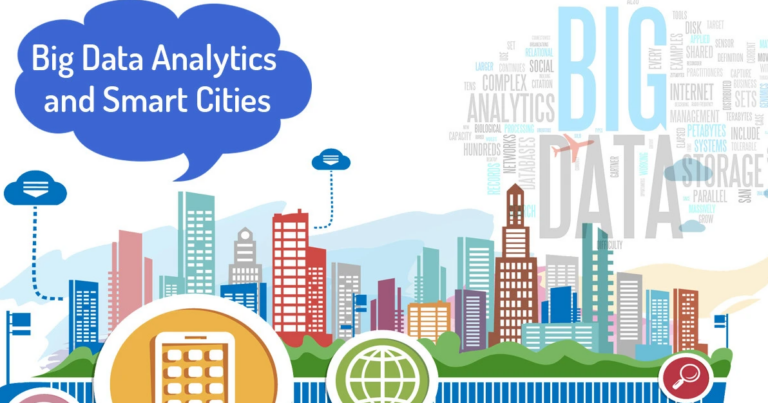
5. Smart Cities: Urban Planning and Sustainability
Governments and municipalities are leveraging Big Data to build smarter, more sustainable cities.
Key Use Cases:
- Traffic Management: Real-time data helps reduce congestion and improve public transportation.
- Energy Optimization: Monitor and manage energy consumption across buildings.
- Public Safety: Predict crime hotspots and deploy resources effectively.
Impact:
Big Data enables better urban planning, improved quality of life, and more efficient use of resources.
6. Manufacturing: Predictive Maintenance and Automation
The manufacturing sector is undergoing a digital transformation powered by Big Data and the Industrial Internet of Things (IIoT).
Key Use Cases:
- Predictive Maintenance: Identify equipment failures before they occur.
- Quality Control: Detect defects in real time using sensor data.
- Supply Chain Optimization: Improve coordination between suppliers and manufacturers.
Impact:
Big Data reduces downtime, increases productivity, and lowers operational costs.
7. Marketing: Data-Driven Campaigns
Marketing has evolved from intuition-based strategies to data-driven decision-making.
Key Use Cases:
- Customer Insights: Analyze behavior across multiple channels.
- Campaign Optimization: Adjust marketing strategies in real time.
- Sentiment Analysis: Understand public perception through social media data.
Impact:
Businesses can create more targeted campaigns, resulting in higher engagement and ROI.
8. Energy Sector: Smart Grids and Resource Management
Energy companies are using Big Data to optimize production and distribution.
Key Use Cases:
- Smart Grids: Monitor energy usage and balance supply and demand.
- Renewable Energy Forecasting: Predict output from solar and wind sources.
- Asset Management: Improve maintenance of infrastructure.
Impact:
Big Data supports sustainable energy solutions and reduces environmental impact.
9. Education: Personalized Learning Experiences
The education sector is leveraging Big Data to improve learning outcomes and student engagement.
Key Use Cases:
- Adaptive Learning Systems: Customize content based on student performance.
- Dropout Prediction: Identify at-risk students early.
- Curriculum Improvement: Analyze effectiveness of teaching methods.
Impact:
Big Data enables a more personalized and effective education system.
10. Cybersecurity: Threat Detection and Prevention
As cyber threats become more sophisticated, Big Data plays a crucial role in protecting digital assets.
Key Use Cases:
- Anomaly Detection: Identify unusual patterns in network traffic.
- Threat Intelligence: Analyze global data to predict cyberattacks.
- Real-Time Monitoring: Respond to security incidents instantly.
Impact:
Organizations can proactively defend against cyber threats and minimize risks.
11. Agriculture: Precision Farming
Big Data is transforming agriculture into a high-tech industry.
Key Use Cases:
- Crop Monitoring: Use satellite and sensor data to track growth.
- Weather Forecasting: Optimize planting and harvesting schedules.
- Soil Analysis: Improve crop yield through data-driven insights.
Impact:
Farmers can increase productivity while minimizing environmental impact.
12. Entertainment and Media: Content Personalization
Streaming platforms and media companies rely heavily on Big Data.
Key Use Cases:
- Content Recommendations: Suggest movies, shows, or music.
- Audience Analytics: Understand viewer preferences.
- Content Creation: Use data insights to produce successful content.
Impact:
Big Data enhances user experience and drives content innovation.
13. Telecommunications: Network Optimization
Telecom companies manage vast amounts of data daily.
Key Use Cases:
- Network Performance Monitoring: Ensure high-quality service.
- Churn Prediction: Identify customers likely to leave.
- Capacity Planning: Optimize infrastructure investments.
Impact:
Big Data improves service reliability and customer satisfaction.
14. Human Resources: Talent Analytics
HR departments are increasingly using Big Data to manage workforce effectively.
Key Use Cases:
- Recruitment Analytics: Identify the best candidates.
- Employee Performance Tracking: Measure productivity.
- Retention Strategies: Predict and reduce turnover.
Impact:
Organizations can build stronger, more efficient teams.
15. Scientific Research: Accelerating Innovation
Big Data is a cornerstone of modern scientific discovery.
Key Use Cases:
- Genomic Research: Analyze DNA sequences.
- Climate Modeling: Study environmental changes.
- Space Exploration: Process data from satellites and probes.
Impact:
Researchers can make breakthroughs faster and more accurately.
Challenges of Big Data Implementation
While Big Data offers immense potential, it also presents several challenges:
- Data Privacy and Security: Protecting sensitive information is critical.
- Data Quality: Inaccurate data can lead to poor decisions.
- Infrastructure Costs: Managing large datasets requires significant investment.
- Skill Gaps: Organizations need skilled professionals to analyze data effectively.
Addressing these challenges is essential for maximizing the benefits of Big Data.
Future Trends in Big Data
The future of Big Data is closely tied to emerging technologies:
- Artificial Intelligence and Machine Learning: Enhance data analysis capabilities.
- Edge Computing: Process data closer to the source.
- Quantum Computing: Unlock new possibilities in data processing.
- Data Democratization: Make data accessible to more users.
These trends will further expand the impact of Big Data across industries.
Conclusion
Big Data is no longer a futuristic concept—it is a present-day reality that is reshaping industries and driving innovation. From healthcare and finance to agriculture and entertainment, Big Data use cases are transforming how organizations operate and deliver value.
As technology continues to evolve, the importance of Big Data will only grow. Organizations that invest in data-driven strategies today will be better positioned to succeed in the future.
By understanding and leveraging the power of Big Data, businesses and institutions can unlock new opportunities, improve decision-making, and create a smarter, more connected world.