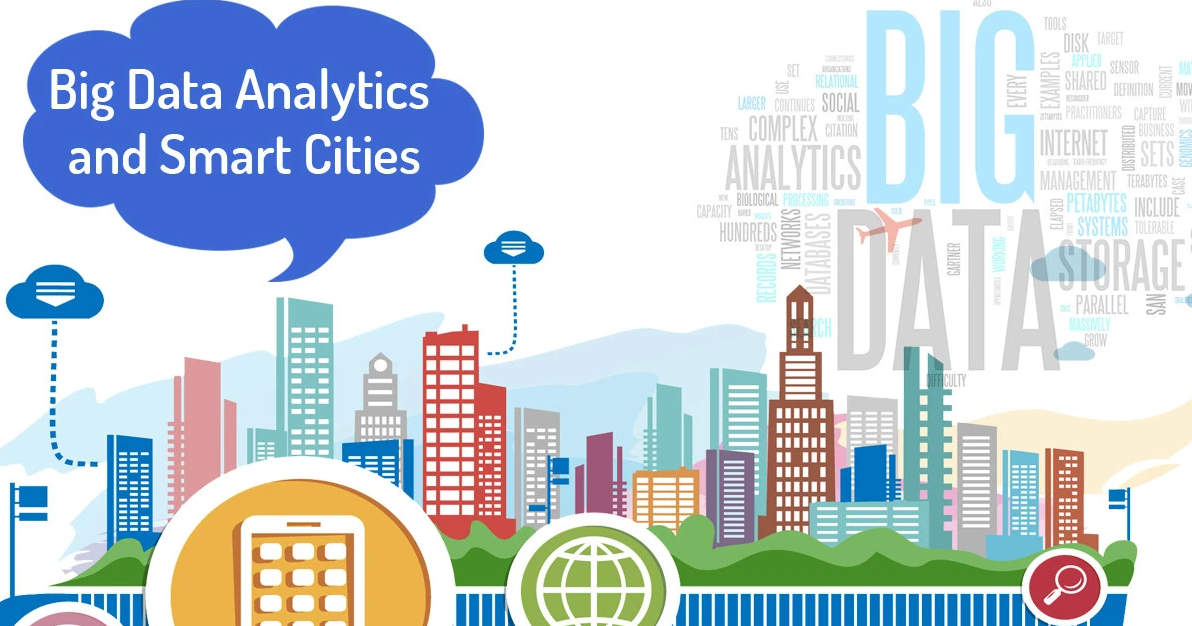
In the 21st century, urbanization is accelerating at an unprecedented pace. According to global projections, more than two-thirds of the world’s population will live in cities by 2050. This rapid growth presents both opportunities and challenges for governments, planners, and citizens. To address these complexities, cities are increasingly turning to advanced technologies, and one of the most transformative among them is Big Data.
Big Data refers to vast volumes of structured and unstructured data generated from various sources such as sensors, mobile devices, social media, and public systems. When analyzed effectively, this data can provide valuable insights into urban behavior, infrastructure performance, and citizen needs. As a result, Big Data has become a cornerstone in the development of smart cities.
This article explores the critical role Big Data plays in shaping smart cities and driving sustainable urban development. It examines its applications, benefits, challenges, and future potential.
Understanding Smart Cities
A smart city is an urban area that uses digital technology and data-driven solutions to enhance the quality of life for its residents. These cities integrate information and communication technologies (ICT) with physical infrastructure to improve efficiency, sustainability, and governance.
Smart cities rely heavily on data collected from:
- Internet of Things (IoT) devices
- Traffic sensors
- Surveillance systems
- Environmental monitors
- Public transportation systems
- Social media platforms
The integration of Big Data into these systems allows cities to make informed decisions in real time, optimize resources, and predict future needs.
What is Big Data?
Big Data is characterized by the “5 Vs”:
- Volume – Massive amounts of data generated daily
- Velocity – The speed at which data is produced and processed
- Variety – Different types of data (text, images, video, etc.)
- Veracity – The reliability and accuracy of data
- Value – The actionable insights derived from data
In the context of smart cities, Big Data acts as the brain that processes information collected from various sources and transforms it into meaningful strategies.
Key Applications of Big Data in Smart Cities
1. Intelligent Transportation Systems
One of the most impactful applications of Big Data is in transportation. Traffic congestion is a major issue in urban areas, leading to lost productivity, increased pollution, and frustration.
Big Data enables:
- Real-time traffic monitoring
- Predictive traffic management
- Smart traffic signals
- Optimized public transport routes
By analyzing data from GPS devices, cameras, and sensors, cities can reduce congestion and improve mobility.
2. Urban Planning and Infrastructure Development
Urban planners can use Big Data to design cities more efficiently. Data-driven insights help determine where to build roads, schools, hospitals, and housing.
Benefits include:
- Better land use planning
- Efficient infrastructure investments
- Reduced construction risks
- Improved long-term sustainability
Predictive analytics can also forecast population growth and urban expansion, allowing cities to prepare proactively.
3. Energy Management and Sustainability
Energy consumption is a critical concern for modern cities. Big Data helps optimize energy usage and reduce environmental impact.
Applications include:
- Smart grids for efficient electricity distribution
- Monitoring energy consumption patterns
- Integrating renewable energy sources
- Reducing carbon emissions
Cities can use data to balance supply and demand, minimizing waste and promoting sustainability.
4. Public Safety and Security
Big Data plays a vital role in enhancing public safety. By analyzing data from surveillance systems, emergency services, and social media, cities can respond more effectively to threats.
Key uses:
- Crime prediction and prevention
- Real-time emergency response
- Disaster management
- Crowd monitoring
Predictive policing and early warning systems can significantly improve urban security.
5. Waste Management
Efficient waste management is essential for maintaining clean and healthy cities. Big Data enables smarter waste collection systems.
Examples:
- Sensor-based waste bins
- Route optimization for garbage trucks
- Predictive waste generation analysis
These systems reduce operational costs and improve environmental outcomes.
6. Healthcare and Public Services
Big Data enhances healthcare delivery and public services in urban areas.
Applications include:
- Disease outbreak prediction
- Healthcare resource allocation
- Telemedicine services
- Personalized healthcare solutions
Cities can use data to improve access to healthcare and ensure better public health outcomes.
Benefits of Big Data in Urban Development
1. Improved Decision-Making
Big Data provides accurate and real-time information, enabling policymakers to make informed decisions.
2. Enhanced Efficiency
Automation and data-driven processes reduce inefficiencies in transportation, energy, and public services.
3. Cost Reduction
Optimized resource allocation leads to significant cost savings for governments and municipalities.
4. Better Quality of Life
Smart solutions improve living standards by reducing congestion, pollution, and service delays.
5. Environmental Sustainability
Data-driven strategies help cities reduce their carbon footprint and promote eco-friendly practices.
Challenges of Implementing Big Data in Smart Cities
Despite its benefits, the use of Big Data in urban development comes with several challenges.
1. Data Privacy and Security
Collecting vast amounts of data raises concerns about privacy and data protection. Unauthorized access or misuse of data can lead to serious consequences.
2. High Implementation Costs
Developing and maintaining Big Data infrastructure requires significant investment in technology, skilled personnel, and systems.
3. Data Integration Issues
Combining data from multiple sources can be complex due to differences in formats and standards.
4. Lack of Skilled Workforce
There is a growing demand for data scientists and analysts who can interpret complex datasets.
5. Ethical Concerns
The use of surveillance and predictive systems raises ethical questions about citizen rights and transparency.
The Role of Artificial Intelligence and IoT
Big Data does not work in isolation. It is closely linked with other technologies such as Artificial Intelligence (AI) and the Internet of Things (IoT).
- IoT devices collect real-time data from the environment
- AI algorithms analyze this data to generate insights
- Big Data platforms store and manage the information
Together, these technologies create a powerful ecosystem that drives smart city innovation.
Real-World Examples of Big Data in Smart Cities
1. Smart Traffic Systems
Many cities use Big Data to monitor traffic conditions and adjust signal timings dynamically, reducing congestion and travel time.
2. Smart Energy Grids
Energy providers use data analytics to optimize electricity distribution and integrate renewable energy sources.
3. Disaster Management Systems
Cities use predictive analytics to anticipate natural disasters such as floods and earthquakes, enabling timely evacuation and response.
Future Trends of Big Data in Smart Cities
The role of Big Data in urban development will continue to evolve. Some emerging trends include:
1. Predictive Urban Analytics
Cities will increasingly rely on predictive models to anticipate future challenges and opportunities.
2. Digital Twins
Digital replicas of cities will allow planners to simulate scenarios and test solutions before implementation.
3. Edge Computing
Processing data closer to its source will improve speed and reduce latency in smart city systems.
4. 5G Connectivity
Faster internet speeds will enhance data collection and real-time analysis capabilities.
5. Citizen-Centric Data Models
Future smart cities will focus more on citizen engagement and participation through data-driven platforms.
Best Practices for Leveraging Big Data in Urban Development
To maximize the benefits of Big Data, cities should adopt the following strategies:
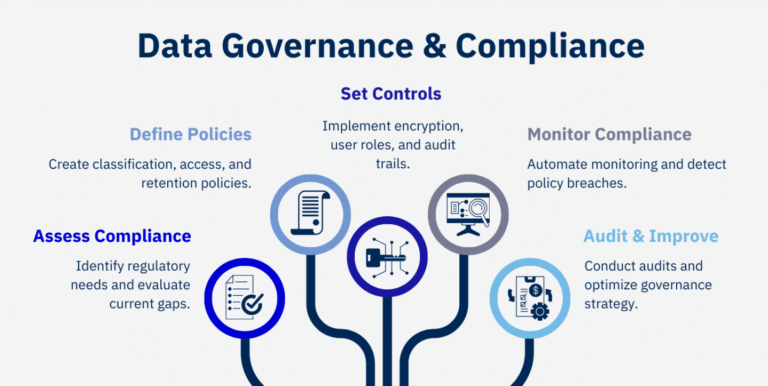
- Develop clear data governance policies
- Invest in cybersecurity measures
- Promote data transparency and accountability
- Foster collaboration between public and private sectors
- Build a skilled workforce in data science and analytics
Conclusion
Big Data is transforming the way cities operate, plan, and grow. By harnessing the power of data, urban areas can become more efficient, sustainable, and livable. From transportation and energy management to public safety and healthcare, the applications of Big Data are vast and impactful.
However, to fully realize its potential, cities must address challenges related to privacy, cost, and data integration. With the right strategies and technologies in place, Big Data will continue to play a pivotal role in shaping the future of smart cities and urban development.
As urban populations continue to rise, the importance of data-driven decision-making will only grow. Cities that embrace Big Data today will be better equipped to meet the demands of tomorrow, creating smarter, safer, and more sustainable environments for their citizens.
SEO Keywords
Big Data in smart cities, smart city technology, urban development data analytics, IoT smart cities, AI in urban planning, sustainable cities Big Data, smart infrastructure, digital transformation cities, future smart cities, data-driven urban planning
Final Thoughts
The integration of Big Data into urban ecosystems marks a new era in city management. It empowers governments, enhances citizen experiences, and drives innovation. As technology continues to evolve, Big Data will remain at the heart of smart city transformation, shaping the cities of the future in ways we are only beginning to imagine.