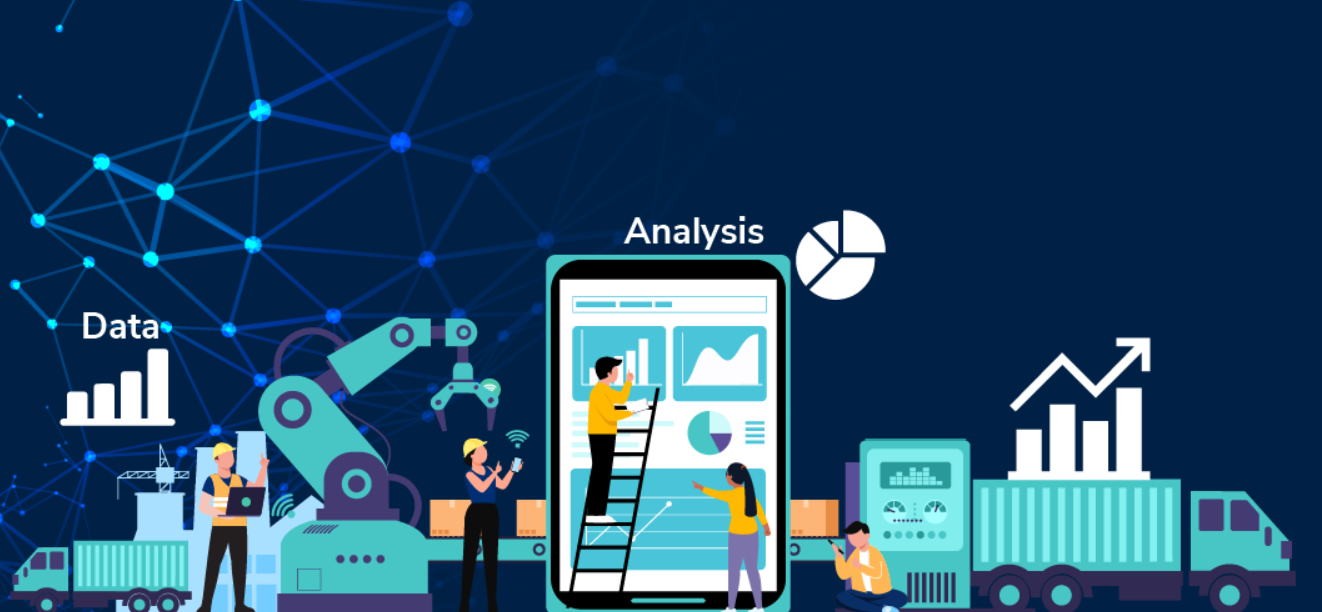
In today’s hyper-connected world, data has become one of the most valuable assets for businesses. The rise of big data has transformed industries across the board, and supply chain and logistics management are no exceptions. Companies are now leveraging vast amounts of structured and unstructured data to optimize operations, reduce costs, improve efficiency, and deliver better customer experiences.
Big data refers to extremely large datasets that can be analyzed computationally to reveal patterns, trends, and associations. In supply chain and logistics, this data comes from multiple sources such as sensors, GPS trackers, enterprise systems, customer interactions, and social media. By harnessing this information, organizations can make smarter decisions in real time.
This article explores how big data is reshaping supply chain and logistics management, the technologies driving this transformation, key benefits, real-world applications, and future trends.
Understanding Big Data in Supply Chains
Big data in supply chain management involves collecting, processing, and analyzing large volumes of data to improve decision-making. It is characterized by the five Vs: volume, velocity, variety, veracity, and value.
Volume refers to the massive amount of data generated daily. Velocity describes the speed at which data is created and processed. Variety includes different types of data such as text, images, and sensor readings. Veracity relates to data accuracy and reliability, while value focuses on extracting meaningful insights.
Supply chains generate enormous amounts of data at every stage—from procurement and production to warehousing and delivery. Big data technologies allow companies to integrate and analyze this information efficiently.
Key Technologies Driving Big Data in Logistics
Several advanced technologies enable the effective use of big data in supply chain and logistics management.
Internet of Things (IoT)
IoT devices such as sensors and RFID tags collect real-time data from physical assets. These devices monitor temperature, location, humidity, and other conditions, providing visibility throughout the supply chain.
Artificial Intelligence and Machine Learning
AI and machine learning algorithms analyze large datasets to identify patterns and predict outcomes. These technologies help in demand forecasting, route optimization, and risk management.
Cloud Computing
Cloud platforms provide scalable storage and processing power for handling big data. They allow businesses to access data from anywhere and collaborate more effectively.
Blockchain Technology
Blockchain enhances transparency and security by creating immutable records of transactions. It helps track goods and verify authenticity across the supply chain.
Benefits of Big Data in Supply Chain Management
Improved Demand Forecasting
Big data enables companies to analyze historical sales data, market trends, and external factors such as weather and economic conditions. This leads to more accurate demand forecasts, reducing overstocking and stockouts.
Enhanced Visibility and Transparency
Real-time tracking provides complete visibility into the movement of goods. Businesses can monitor shipments, identify delays, and take corrective actions promptly.
Cost Reduction
By optimizing routes, inventory levels, and warehouse operations, big data helps reduce operational costs. Companies can identify inefficiencies and eliminate waste.
Better Risk Management
Big data analytics helps detect potential risks such as supplier disruptions, transportation delays, and market fluctuations. Early detection allows businesses to mitigate risks effectively.
Increased Customer Satisfaction
Faster deliveries, accurate order tracking, and improved service levels lead to higher customer satisfaction. Big data enables companies to meet customer expectations consistently.
Real-World Applications of Big Data in Logistics
Route Optimization
Logistics companies use big data to analyze traffic patterns, weather conditions, and delivery schedules. This helps determine the most efficient routes, reducing fuel consumption and delivery times.
Inventory Management
Big data analytics provides insights into inventory levels, turnover rates, and demand patterns. Businesses can maintain optimal stock levels and avoid excess inventory.
Warehouse Automation
Data-driven systems optimize warehouse layouts, picking processes, and storage strategies. Automation technologies improve efficiency and reduce human errors.
Predictive Maintenance
Sensors and data analytics monitor equipment performance and predict maintenance needs. This reduces downtime and extends the lifespan of assets.
Supplier Performance Analysis
Big data allows companies to evaluate supplier performance based on delivery times, quality, and reliability. This helps in selecting the best partners.
Challenges of Implementing Big Data in Supply Chains
Data Integration Issues
Integrating data from multiple sources can be complex. Businesses need robust systems to ensure seamless data flow.
Data Security and Privacy
Handling large volumes of sensitive data increases the risk of cyber threats. Companies must implement strong security measures.
High Implementation Costs
Adopting big data technologies requires significant investment in infrastructure, tools, and skilled personnel.
Skill Gaps
There is a shortage of professionals with expertise in data analytics and supply chain management. Organizations need to invest in training and development.
Future Trends in Big Data and Logistics
Autonomous Vehicles and Drones
Big data will play a crucial role in enabling autonomous delivery systems. These technologies rely on real-time data for navigation and decision-making.
Advanced Predictive Analytics
Future analytics tools will provide even more accurate predictions, helping businesses anticipate demand and disruptions.
Digital Twins
Digital twins are virtual replicas of physical supply chains. They allow companies to simulate scenarios and optimize operations.
Sustainability and Green Logistics
Big data helps companies reduce their environmental impact by optimizing routes, reducing emissions, and improving resource utilization.
Best Practices for Leveraging Big Data
Invest in the Right Technology
Choose scalable and flexible platforms that can handle growing data needs.
Ensure Data Quality
Accurate and reliable data is essential for meaningful insights.
Foster a Data-Driven Culture
Encourage employees to use data in decision-making processes.
Collaborate Across the Supply Chain
Share data with partners to improve coordination and efficiency.
Continuously Monitor and Improve
Regularly evaluate data strategies and make improvements as needed.
Conclusion
Big data is revolutionizing supply chain and logistics management by providing unprecedented insights and capabilities. From demand forecasting and route optimization to risk management and customer satisfaction, the impact of big data is profound.
As technology continues to evolve, businesses that embrace big data will gain a competitive advantage. By investing in the right tools, developing skilled teams, and adopting a data-driven approach, companies can unlock the full potential of big data and transform their supply chains for the future.
In an increasingly complex and dynamic global market, big data is not just an option—it is a necessity for success.