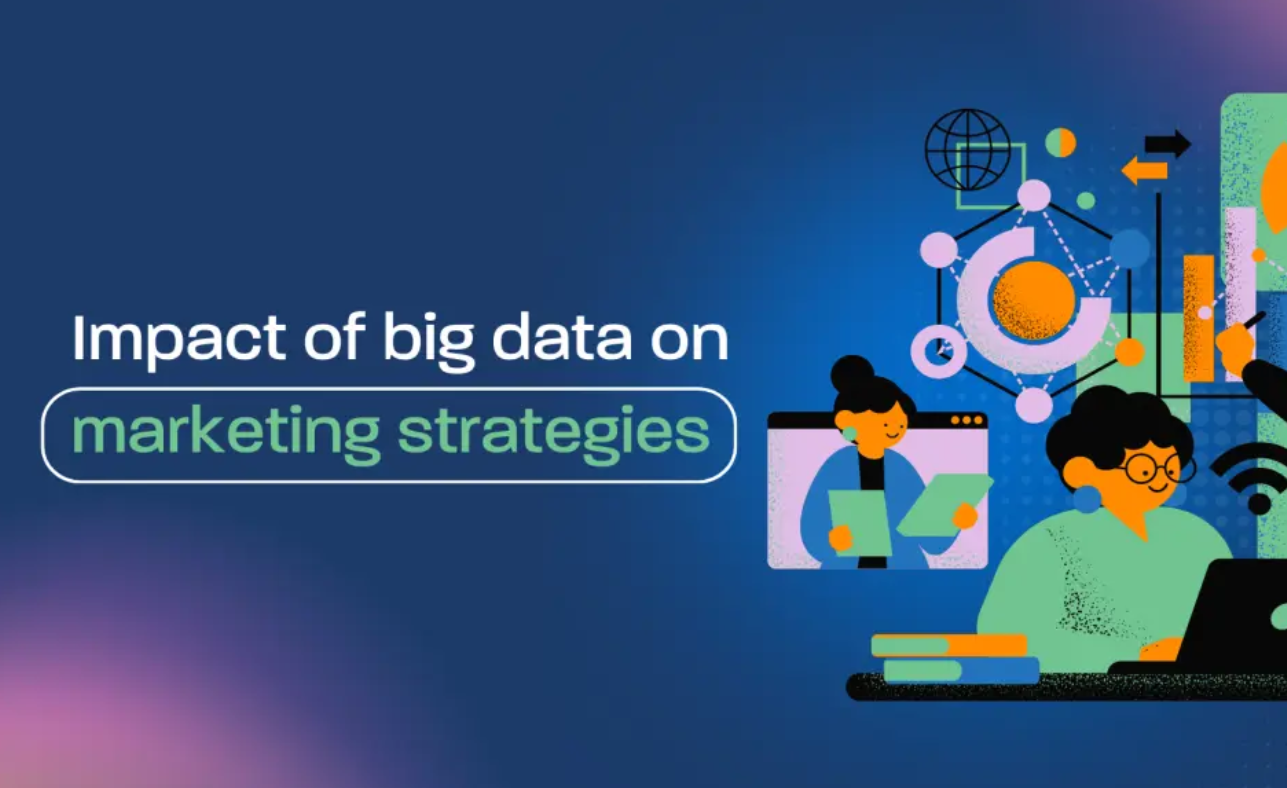
In today’s hyper-connected digital landscape, data has become the most valuable asset for businesses striving to stay competitive. The rapid growth of online platforms, mobile devices, and connected technologies has led to an explosion of data generation. This phenomenon, commonly referred to as “Big Data,” has fundamentally transformed how companies approach marketing. Digital marketing strategies are no longer based on assumptions or limited datasets; instead, they are driven by vast volumes of structured and unstructured data that provide deep insights into consumer behavior.
Big Data empowers marketers to make informed decisions, personalize customer experiences, and optimize campaigns in real time. As businesses continue to adopt data-driven approaches, understanding the impact of Big Data on digital marketing strategies is essential for achieving sustainable growth and maintaining a competitive edge.
Understanding Big Data in Digital Marketing
Big Data refers to extremely large datasets that can be analyzed computationally to reveal patterns, trends, and associations, particularly relating to human behavior and interactions. In digital marketing, Big Data encompasses information collected from various sources such as:
- Social media platforms
- Website analytics
- Customer relationship management (CRM) systems
- Mobile applications
- E-commerce transactions
- IoT devices
The key characteristics of Big Data are often described using the “5 Vs”:
- Volume – Massive amounts of data generated every second
- Velocity – The speed at which data is produced and processed
- Variety – Different types of data (text, video, images, etc.)
- Veracity – The reliability and accuracy of data
- Value – The actionable insights derived from data
These attributes enable marketers to gain a comprehensive understanding of their target audience and refine their strategies accordingly.
The Evolution of Digital Marketing with Big Data
Traditional marketing relied heavily on intuition, basic demographics, and limited feedback loops. Campaigns were often static and lacked the ability to adapt quickly to changing consumer preferences. With the advent of Big Data, digital marketing has evolved into a dynamic and highly targeted discipline.
Marketers can now track user behavior across multiple touchpoints, analyze real-time interactions, and adjust campaigns instantly. This shift has led to the emergence of performance-driven marketing, where every decision is backed by data insights.
Big Data has also facilitated the integration of various marketing channels, enabling a more cohesive and consistent customer experience. From email marketing to social media advertising, all channels can now be aligned using unified data strategies.
Enhanced Customer Segmentation
One of the most significant impacts of Big Data on digital marketing is the ability to perform advanced customer segmentation. Instead of grouping customers based on basic demographics, marketers can now segment audiences based on:
- Behavioral patterns
- Purchase history
- Browsing habits
- Engagement levels
- Geographic and psychographic data
This granular segmentation allows for highly targeted campaigns that resonate with specific audience groups. For example, a business can create personalized offers for customers who frequently abandon their shopping carts or target users who have shown interest in specific product categories.
As a result, marketing efforts become more efficient, leading to higher conversion rates and improved return on investment (ROI).
Personalization at Scale
Personalization has become a cornerstone of modern digital marketing, and Big Data is the driving force behind it. By analyzing user data, marketers can deliver tailored content, product recommendations, and advertisements that align with individual preferences.
Examples of personalization powered by Big Data include:
- Dynamic website content based on user behavior
- Personalized email campaigns
- Product recommendations on e-commerce platforms
- Customized social media ads
This level of personalization enhances the customer experience, making interactions more relevant and engaging. Consumers are more likely to respond positively to content that reflects their interests, leading to increased brand loyalty and customer retention.
Data-Driven Decision Making
Big Data enables marketers to move away from guesswork and make decisions based on concrete evidence. Through advanced analytics tools, businesses can measure the performance of their campaigns in real time and identify areas for improvement.
Key benefits of data-driven decision making include:
- Accurate performance tracking
- Better budget allocation
- Improved campaign optimization
- Reduced risk of failure
Marketers can test different strategies, analyze the results, and refine their approach based on data insights. This iterative process ensures continuous improvement and maximizes the effectiveness of marketing efforts.
Predictive Analytics and Consumer Behavior
Predictive analytics is one of the most powerful applications of Big Data in digital marketing. By analyzing historical data, marketers can forecast future trends and consumer behavior.
This capability allows businesses to:
- Anticipate customer needs
- Identify potential leads
- Optimize pricing strategies
- Plan marketing campaigns in advance
For instance, predictive models can identify customers who are likely to churn and enable marketers to implement retention strategies before it happens. Similarly, businesses can predict which products will be in demand and adjust their inventory and marketing efforts accordingly.
Real-Time Marketing Optimization
In the fast-paced digital environment, timing is crucial. Big Data allows marketers to monitor campaigns in real time and make immediate adjustments to improve performance.
Real-time optimization includes:
- Adjusting ad placements
- Modifying content based on user engagement
- Responding to trending topics
- Personalizing offers instantly
This agility ensures that marketing strategies remain relevant and effective, even as consumer preferences evolve rapidly.
Improved Customer Journey Mapping
Understanding the customer journey is essential for delivering a seamless experience. Big Data provides insights into every stage of the customer journey, from awareness to purchase and beyond.
Marketers can analyze:
- Touchpoints across different channels
- Customer interactions and engagement levels
- Conversion paths
- Pain points and drop-off areas
With this information, businesses can optimize each stage of the journey, ensuring a smooth and satisfying experience for customers. This leads to higher conversion rates and stronger customer relationships.
Enhanced Content Marketing Strategies
Content marketing plays a vital role in digital marketing, and Big Data significantly enhances its effectiveness. By analyzing data, marketers can identify the type of content that resonates most with their audience.
Data-driven content strategies involve:
- Identifying trending topics
- Understanding audience preferences
- Measuring content performance
- Optimizing distribution channels
This approach ensures that content is not only relevant but also impactful, increasing engagement and driving traffic.
Social Media Insights and Engagement
Social media platforms generate vast amounts of data, providing valuable insights into consumer behavior and preferences. Big Data tools enable marketers to analyze social media interactions and extract meaningful information.
Benefits include:
- Understanding audience sentiment
- Identifying influencers
- Tracking brand mentions
- Measuring campaign effectiveness
These insights help businesses create more engaging social media strategies and build stronger connections with their audience.
Challenges of Big Data in Digital Marketing
While Big Data offers numerous advantages, it also presents several challenges that marketers must address:
Data Privacy and Security
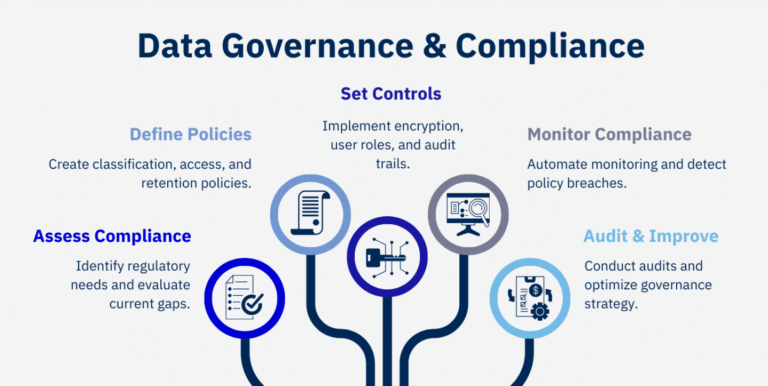
With increasing concerns about data privacy, businesses must ensure that they handle customer data responsibly. Compliance with regulations such as GDPR and other data protection laws is essential.
Data Quality and Accuracy
The effectiveness of Big Data depends on the quality of the data. Inaccurate or incomplete data can lead to misleading insights and poor decision-making.
Complexity of Data Analysis
Analyzing large datasets requires advanced tools and expertise. Businesses must invest in skilled professionals and technologies to harness the full potential of Big Data.
Integration of Data Sources
Combining data from multiple sources can be challenging. Ensuring consistency and compatibility across different systems is crucial for accurate analysis.
The Role of Artificial Intelligence and Machine Learning
Artificial Intelligence (AI) and Machine Learning (ML) are integral to the effective use of Big Data in digital marketing. These technologies enable automated data analysis and provide deeper insights.
Applications include:
- Chatbots for customer interaction
- Automated content recommendations
- Advanced predictive analytics
- Fraud detection and prevention
AI and ML enhance the efficiency and accuracy of marketing strategies, allowing businesses to scale their efforts effectively.
Future Trends in Big Data and Digital Marketing
As technology continues to evolve, the role of Big Data in digital marketing is expected to grow even further. Some emerging trends include:
Hyper-Personalization
Future marketing strategies will focus on delivering highly personalized experiences at an individual level, driven by advanced data analytics.
Voice Search and AI Integration
The rise of voice assistants will generate new data streams, requiring marketers to adapt their strategies accordingly.
Data-Driven Customer Experience
Businesses will prioritize creating seamless and consistent experiences across all touchpoints using unified data insights.
Increased Focus on Data Ethics
As data usage expands, ethical considerations will become more important, influencing how businesses collect and use data.
Conclusion
The impact of Big Data on digital marketing strategies is profound and far-reaching. It has transformed the way businesses understand their customers, design campaigns, and measure success. From advanced segmentation and personalization to predictive analytics and real-time optimization, Big Data enables marketers to create more effective and engaging strategies.
However, leveraging Big Data successfully requires addressing challenges related to privacy, data quality, and technological complexity. Businesses that invest in the right tools, skills, and ethical practices will be better positioned to harness the full potential of Big Data.
In an increasingly competitive digital landscape, adopting data-driven marketing strategies is no longer optional—it is essential. By embracing Big Data, businesses can unlock new opportunities, enhance customer experiences, and achieve long-term success.